


BIELNIK.TEREN FABRYCZNY / BLEACHERY. FACTORY PREMISES

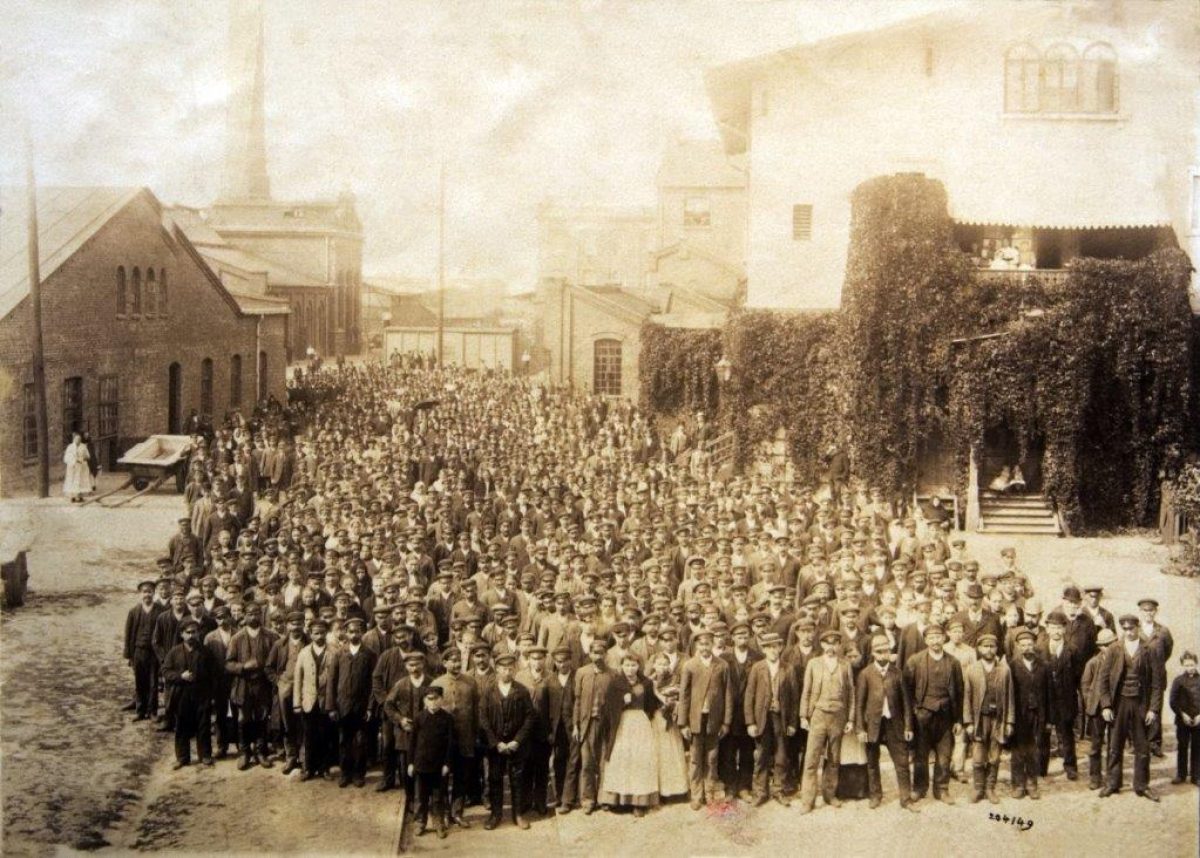
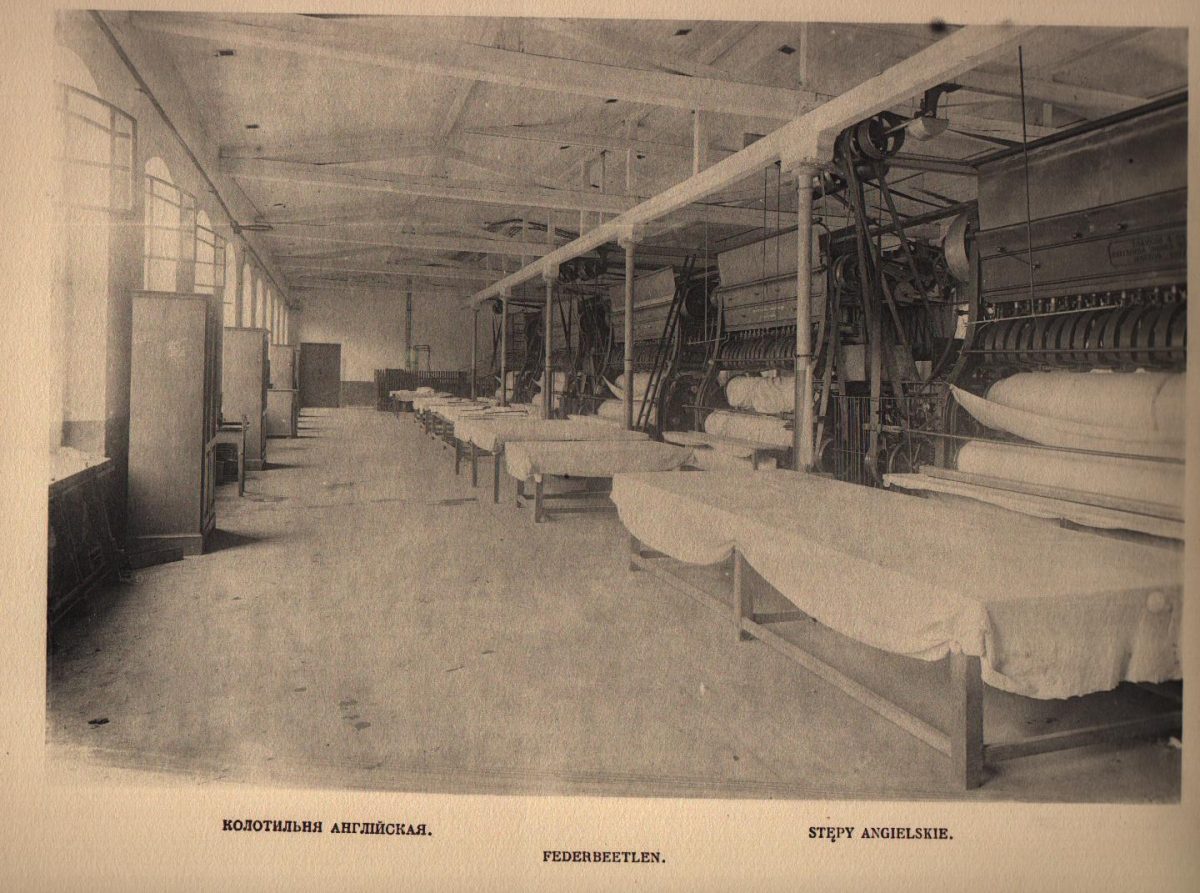
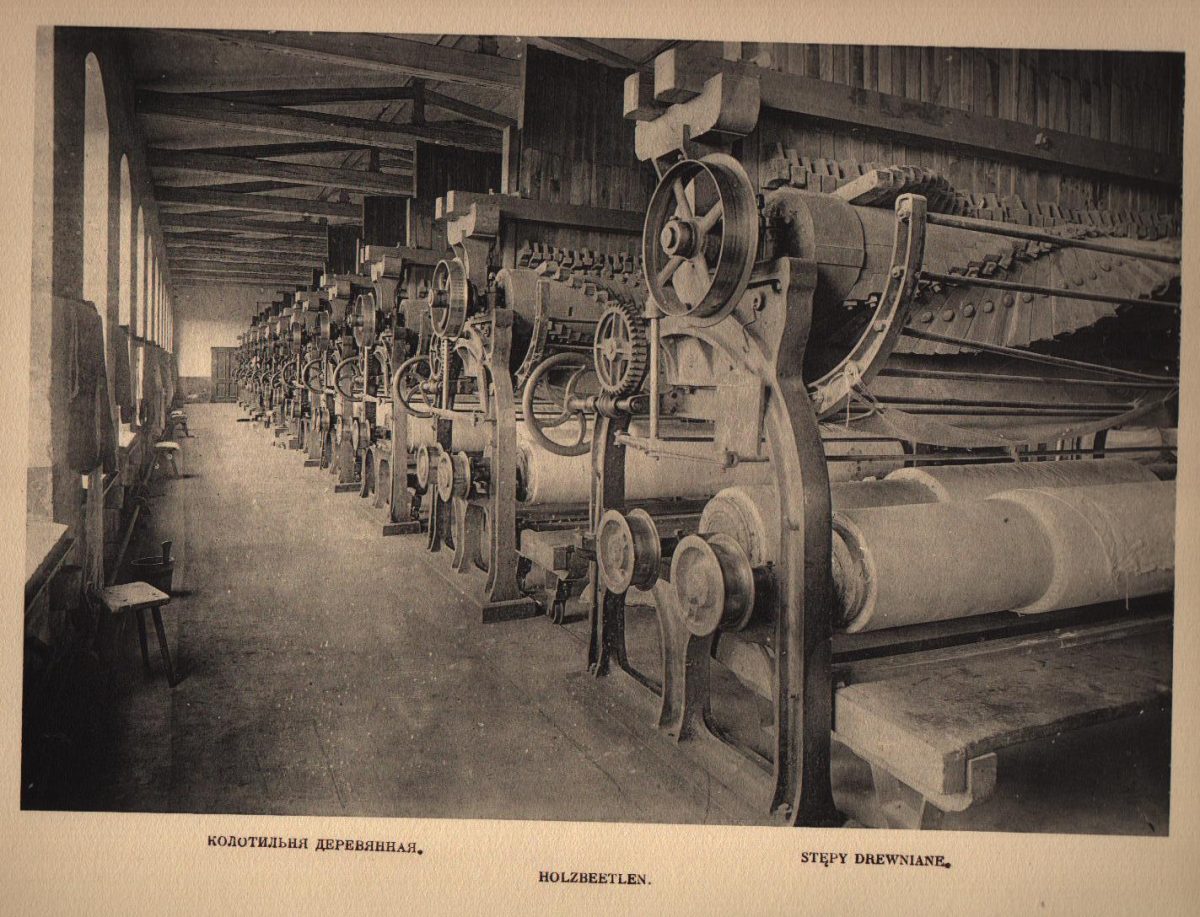
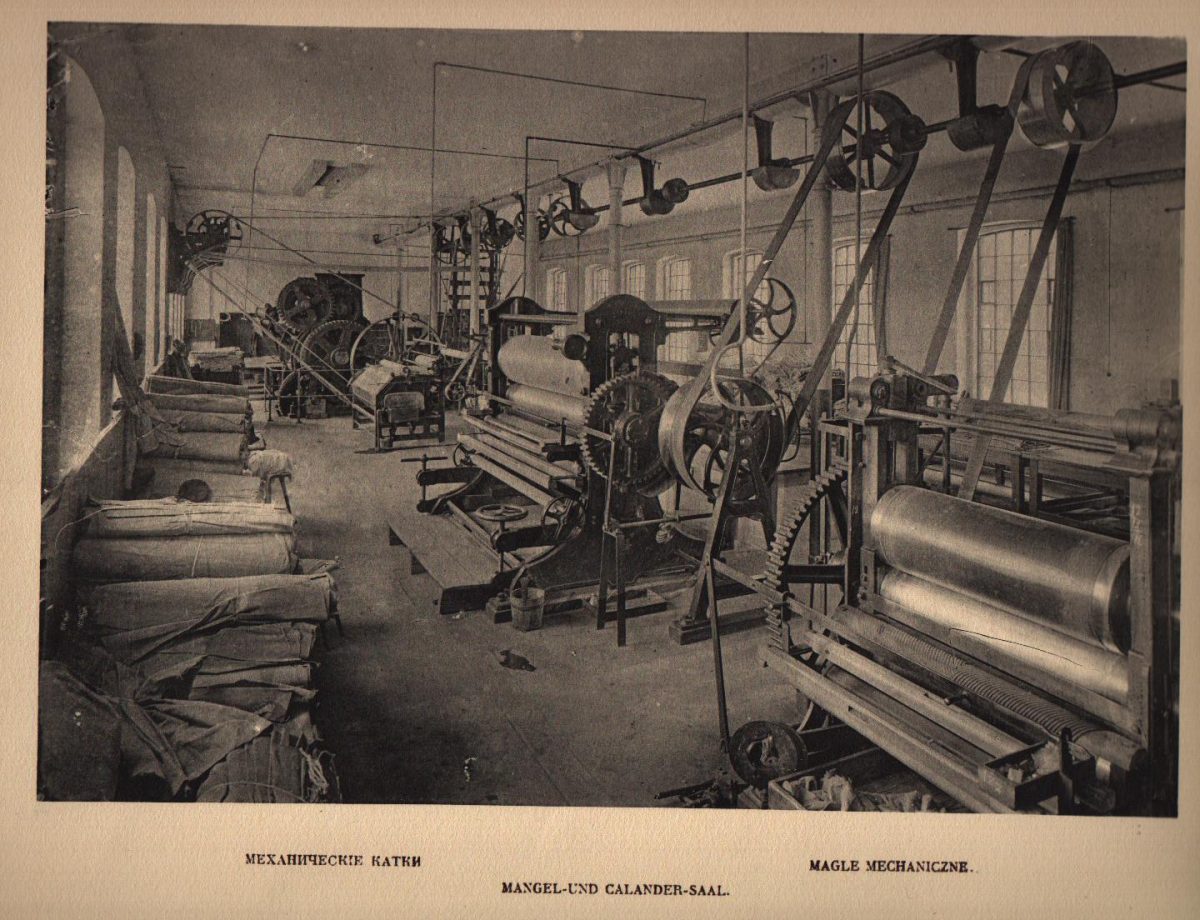
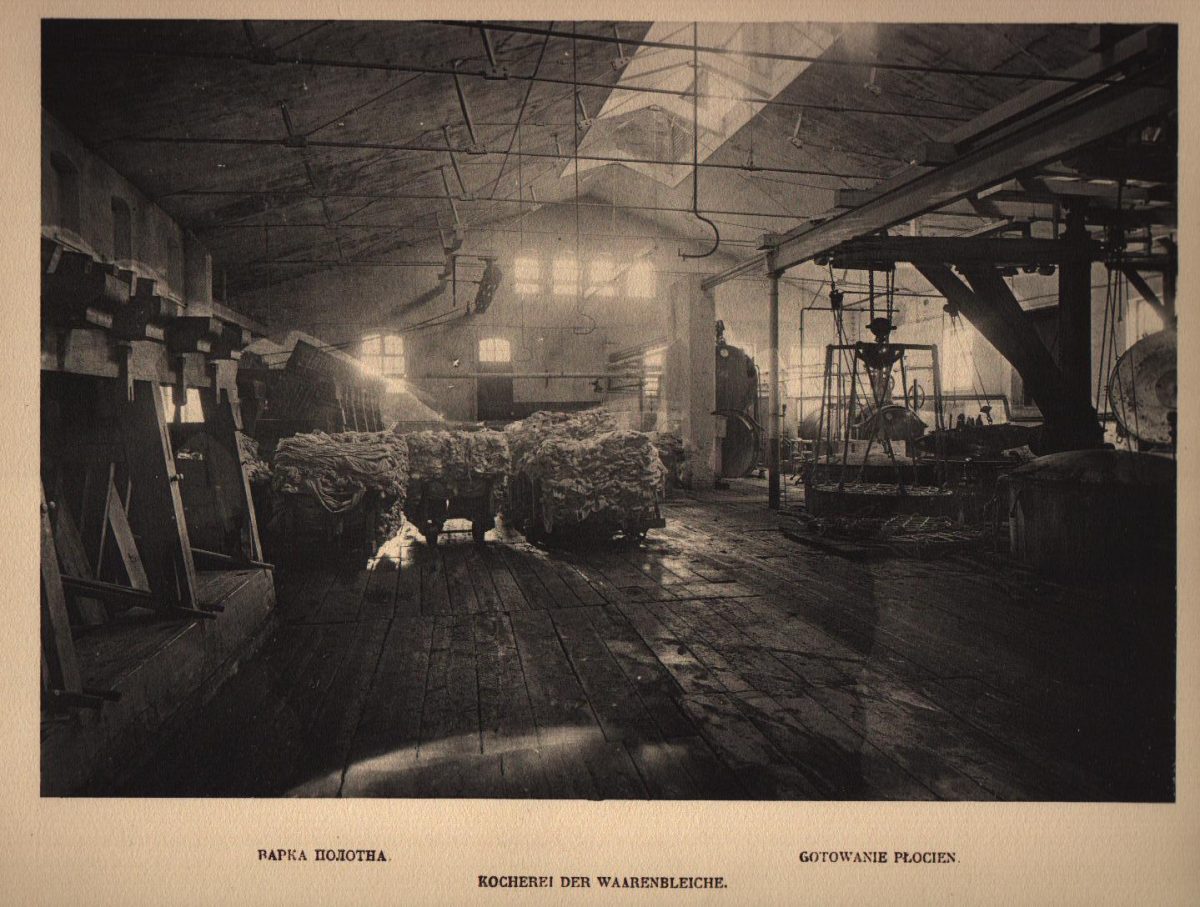
Bielnik, później nazywany również Wykończalnią, to drugi na terenie XIX-wiecznej osady fabrycznej, zwarty kompleks zabudowy dawnych zakładów Iniarskich.
Pierwsze budynki Bielnika powstały dwa lata po uruchomieniu fabryki, w 1835 r., w sąsiedztwie młyna przy rzece Pisi Gągolinie. W 1837 r. rozpoczął się już tutaj proces bielenia, z wykorzystaniem stawu i systemu spiętrzeń wody dla potrzeb młyńskich.
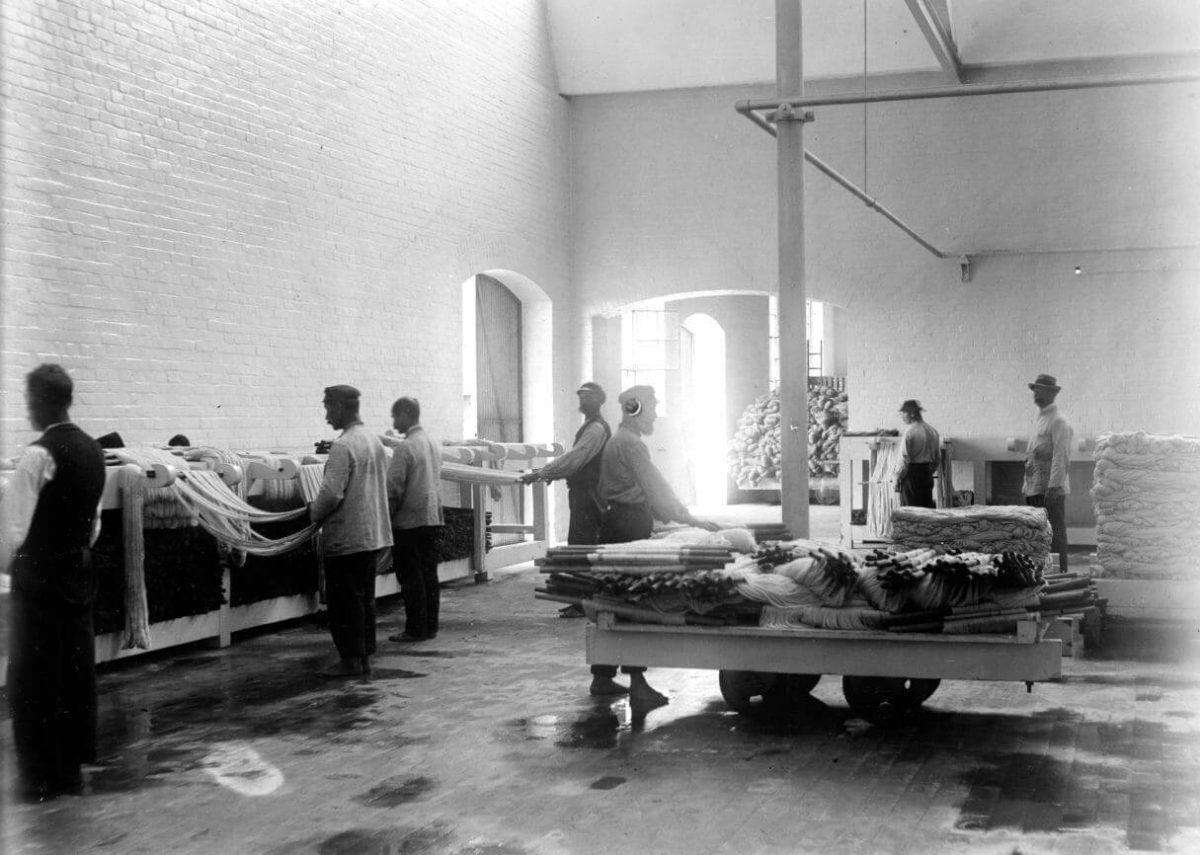
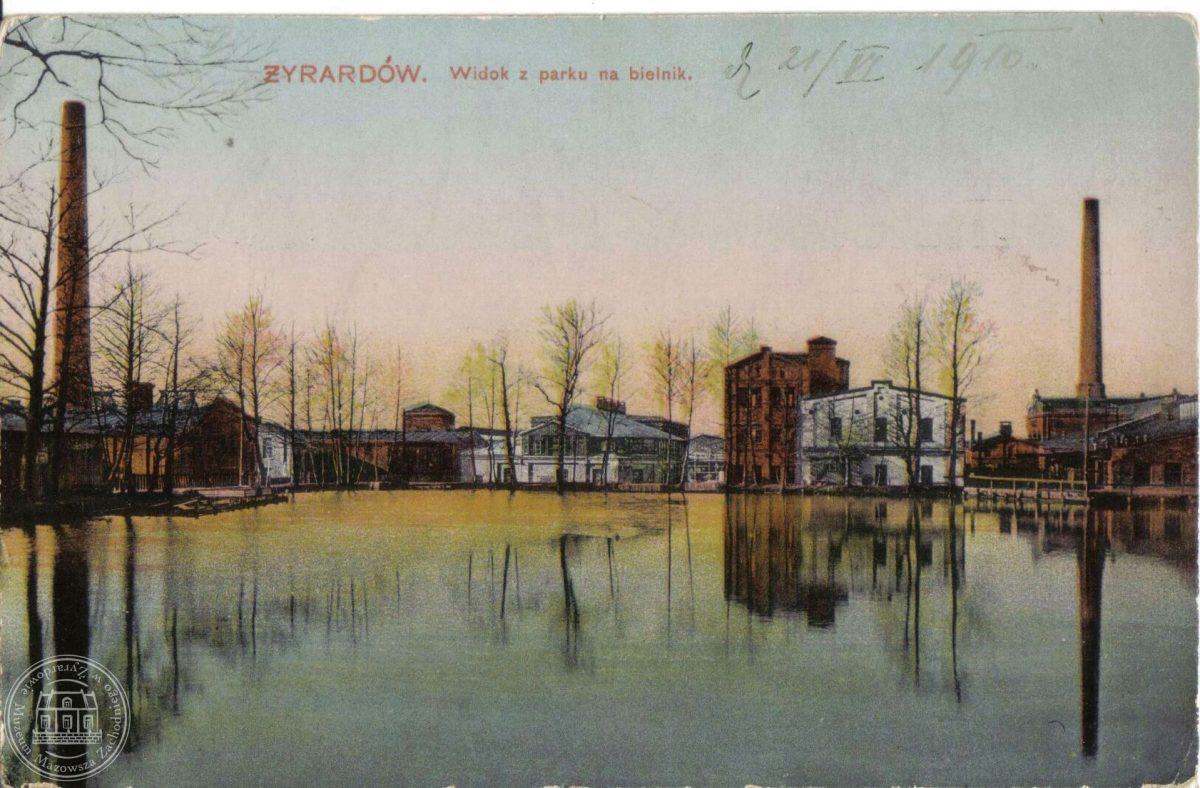
Dawniej istotnym elementem w krajobrazie Bielnika był staw i rozległe łąki, na których rozkładano płótna, wystawiając je na działanie promieni słonecznych. Bo słońce było ważnym pomocnikiem fabryki w osiągnięciu pożądanego odcienia bieli tkanin.
Główny okres rozbudowy Bielnika rozpoczął się w 1885 r. i trwał do wybuchu I wojny światowej. Z tego czasu pochodzi większość zabytkowej zabudowy.
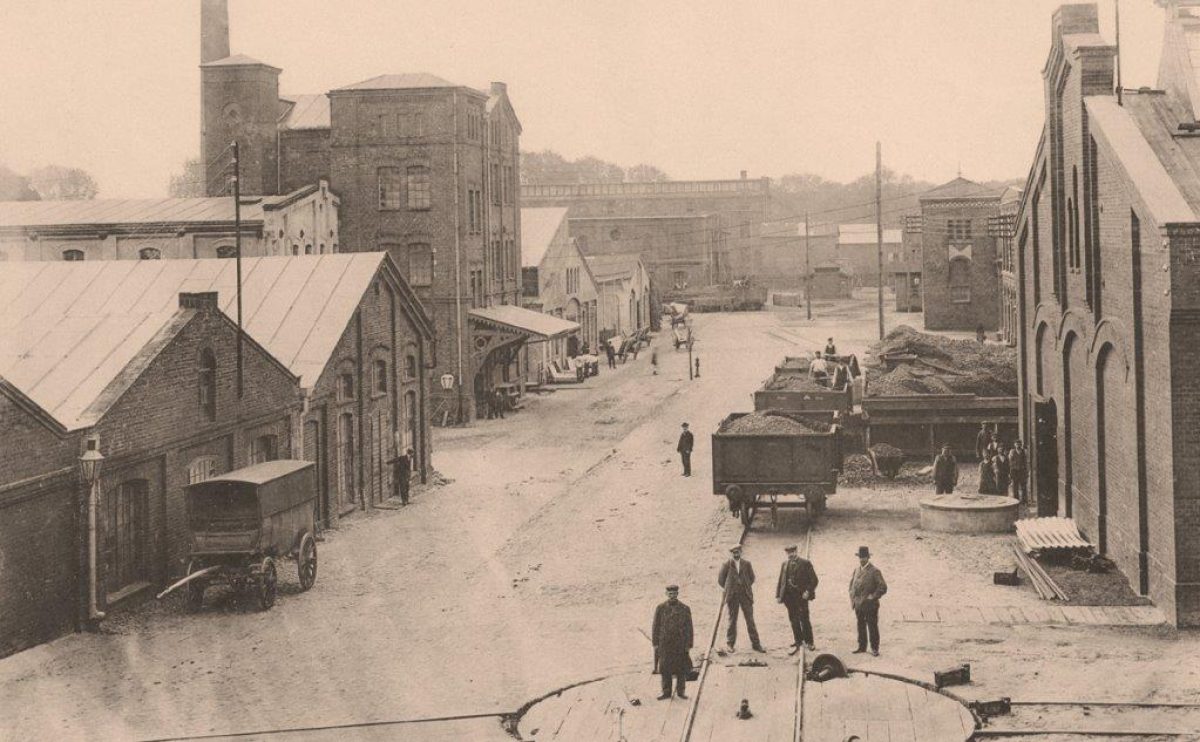
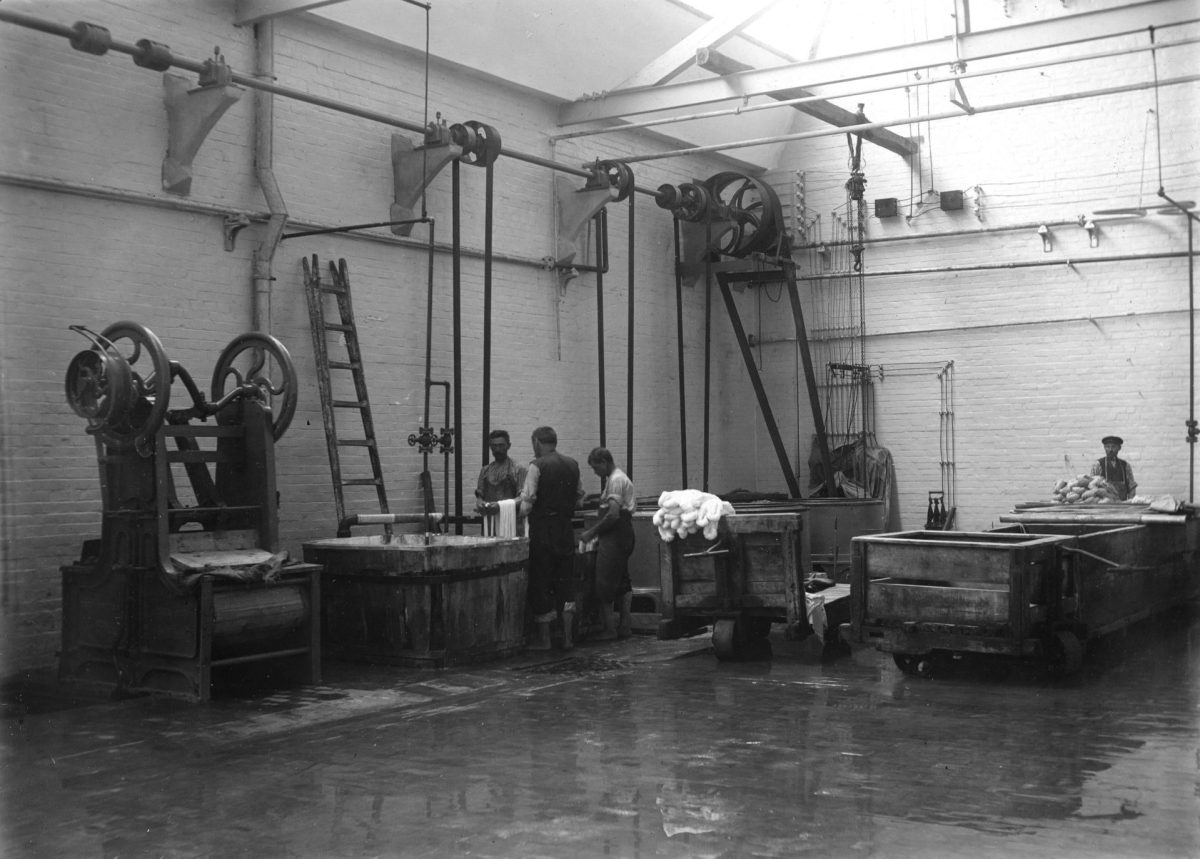
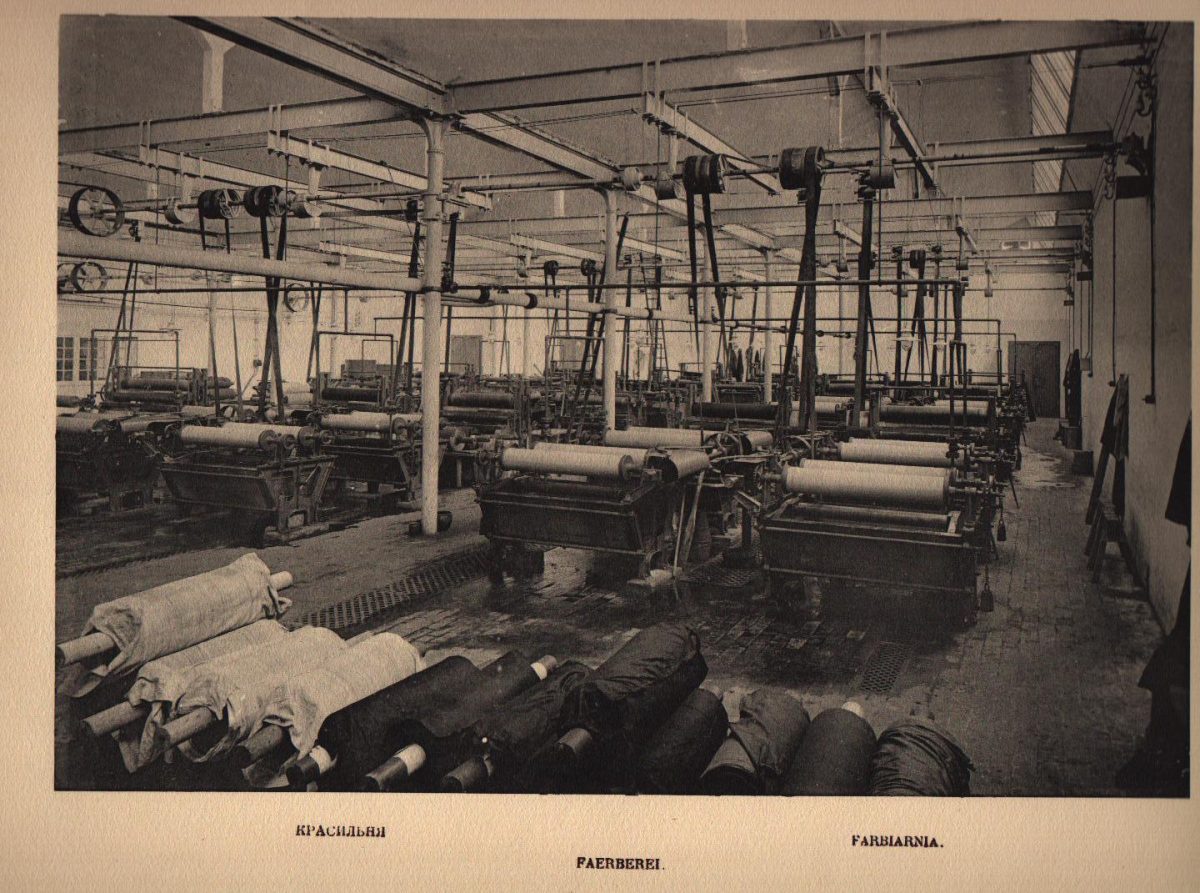
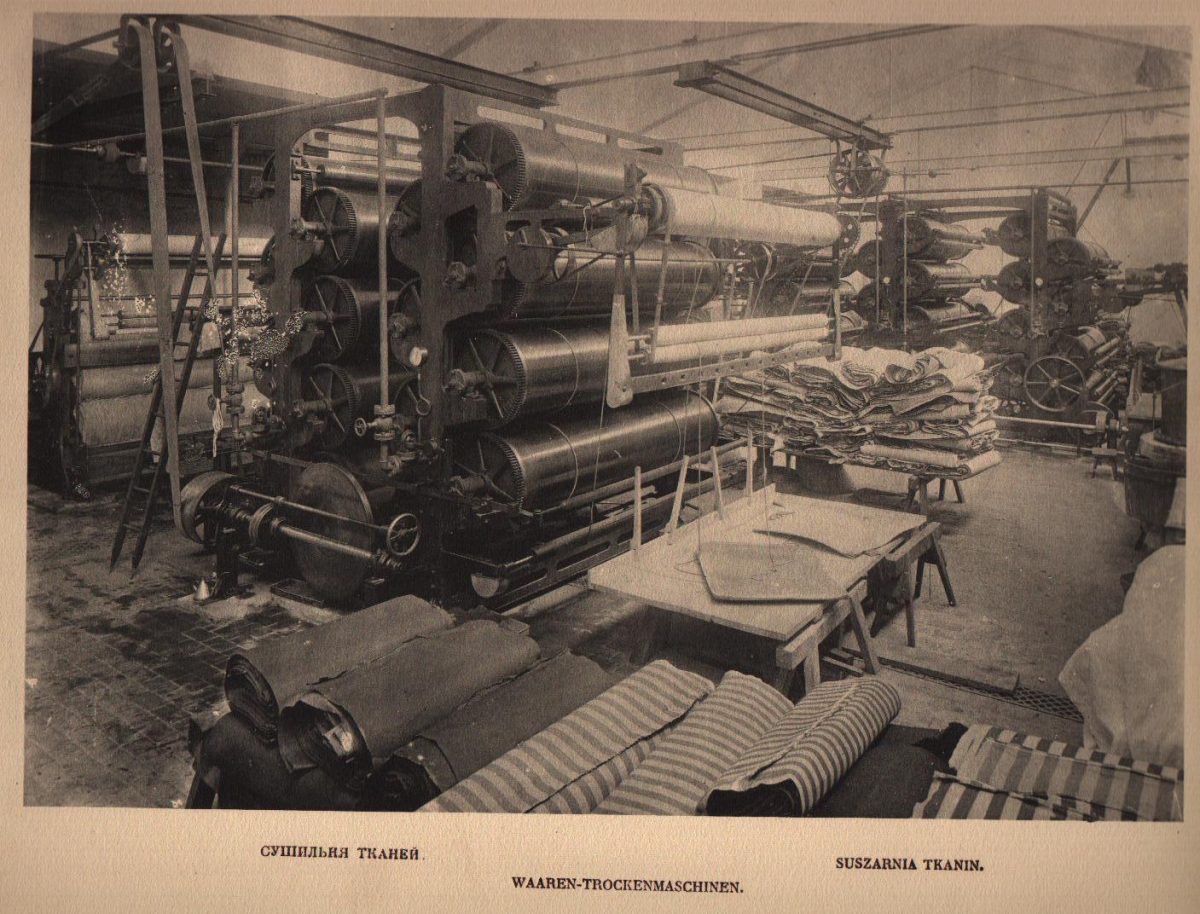
Teren ten ma do dziś bardzo czytelny układ przestrzenny. Po jednej stronie głównej drogi (dziś ul. Dittricha) znajduje się zwarty zespół budynków, gdzie odbywał proces obróbki tkanin, m.in. bielenie i farbowanie.
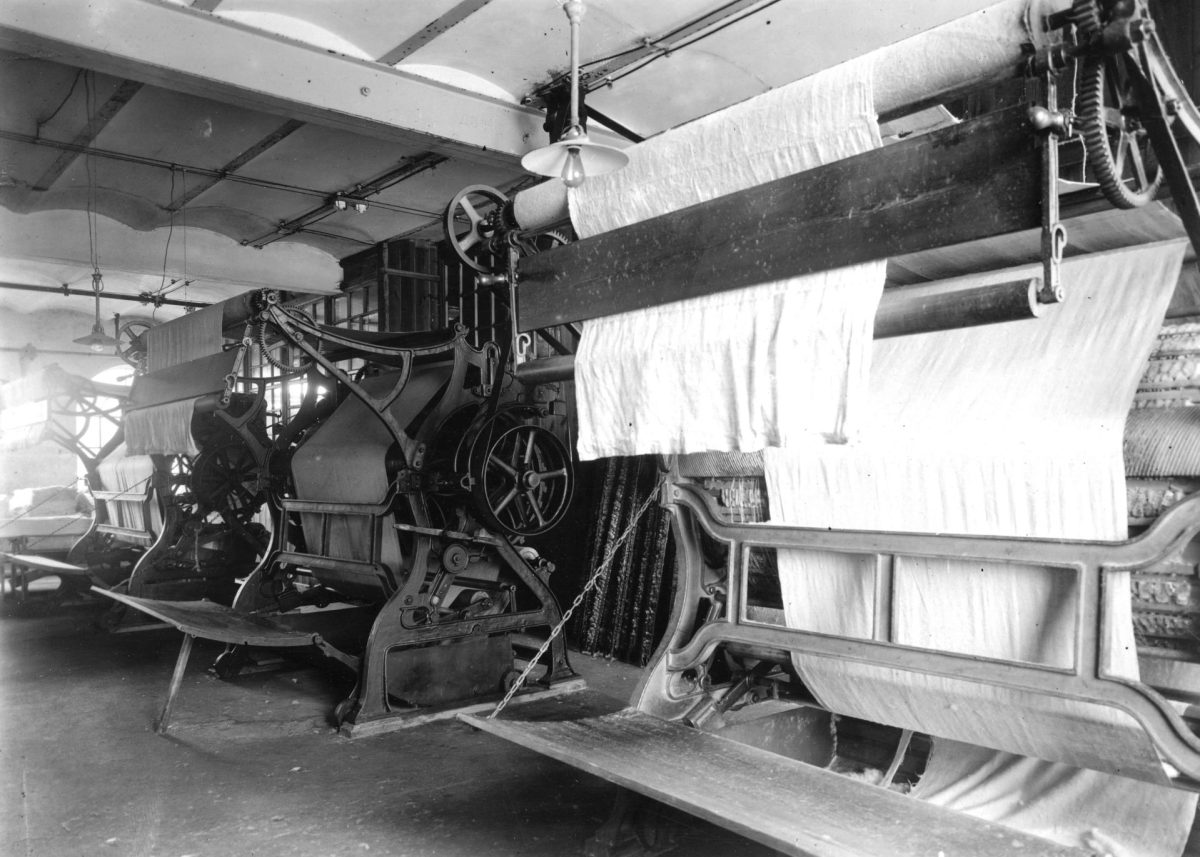
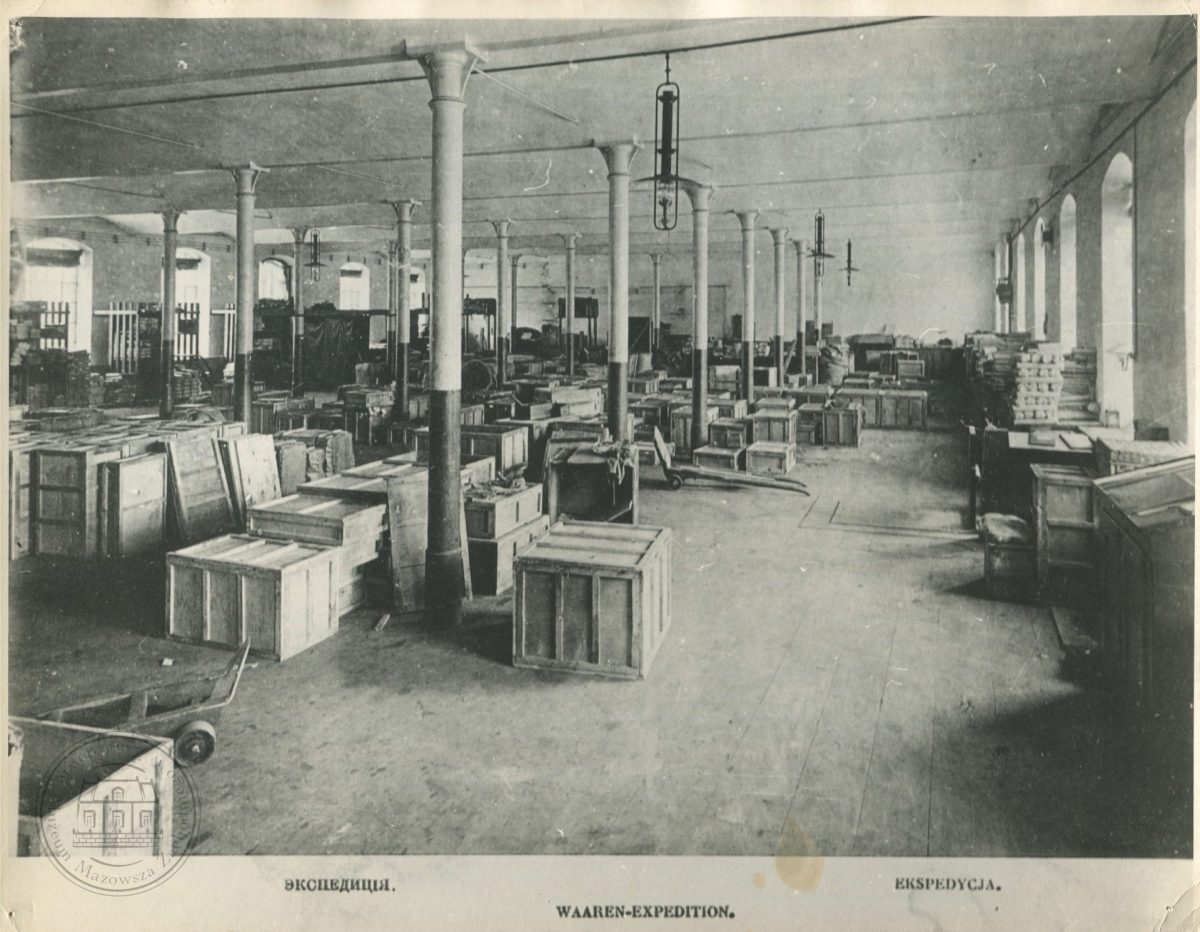
Drugi kompleks, po przeciwnej stronie, tworzą budynki skupione w jednym kwartale, powiązane ze sobą funkcjonalnie i architektonicznie, w których nadrukowywano wzory na tkaninę, szyto gotowe wyroby lniane i przygotowywano do wysyłki.
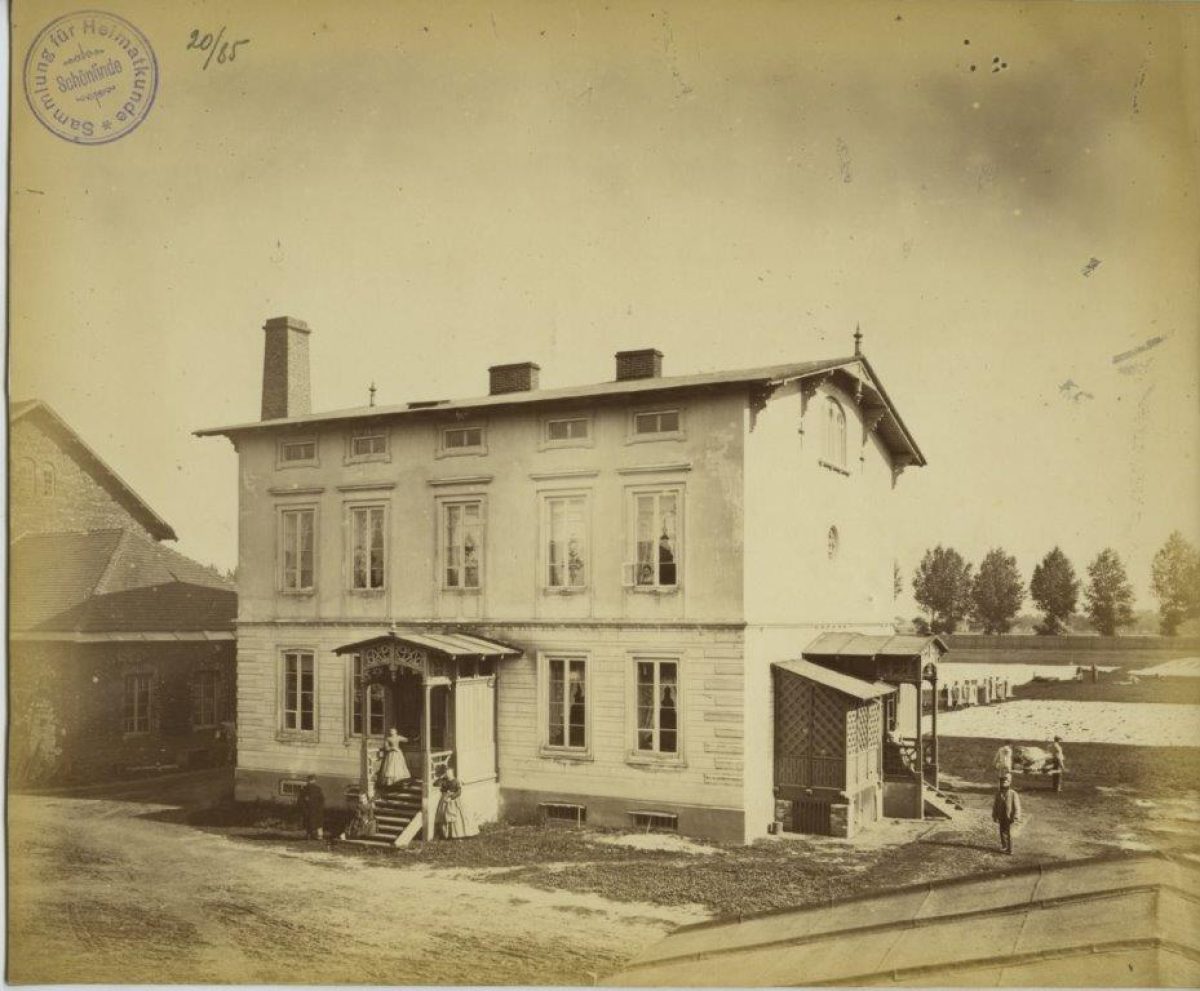
Najstarsze zachowane budynki, to suszarnia przędzy z lat 70. XIX w. (późniejsza chłodnia) i pochodzące z lat 80. XIX w., usytuowane przy bramie – dawny dom mieszkalny właścicieli fabryki, rodziny Dittrichów, a następnie rodziny Hielle (później dział sprzedaży) oraz dawna bielnik towarów (później magazyn tkanin).
The Bleachery, later also known as the Finishing Shop, is the second compact complex of former linen factories in the 19th-century factory settlement.
The first buildings in the Bleachery area were constructed two years after the factory was launched, in 1835, in the vicinity of the mill on the Pisia Gqgolina River. In 1837, the bleaching process began here, using a pond and a system of water dams for the mill’s needs.
In the past, an important element of the Bleachery landscape was the pond and vast meadows where the linen was spread out to be exposed to the sun. The sun was an important aid to the factory in achieving the desired shade of white for the fabrics.
The main period of the Bleachery’s expansion began in 1885 and lasted until the outbreak of World War I. Most of the historic buildings date from this period.
The area still has a very clear spatial layout today. On one side of the main road (now Dittricha Street) there is a compact group of buildings where fabrics were processed, including bleaching and dyeing.
The second complex, on the opposite side, consists of buildings concentrated in one block, functionally and architecturally linked, where patterns were printed on fabric, finished linen products were sewn and prepared for shipment.
The oldest preserved buildings are a yarn drying room from the 1870s (later a cold store) and a building from the 1880s located by the gate – the former residence of the factory owners, the Dittrich family, and later the Hielle family (later housed the sales department) and a former bleachery of the commodities (later the fabric warehouse).